A customer called us after his 2006 Highlander Hybrid stalled on the highway. He was driving at speed when the dash lit up with a “check hybrid system” warning and the accelerator stopped responding. He managed to pull over, turned the car off and back on, and it drove fine the rest of the way home.
He wanted us to figure out what went wrong. This turned into a two-visit diagnosis that taught us something about how worn hybrid cooling fans can cause problems you wouldn’t expect.
The First Visit (December 2025)
The Highlander came in with 138,361 miles. Our technician Jeo scanned the vehicle’s control modules with the Toyota Techstream scan tool and didn’t find any codes related to the hybrid system stalling. The only thing stored were historical communication codes in the gateway module — nothing active, nothing pointing to a clear failure.
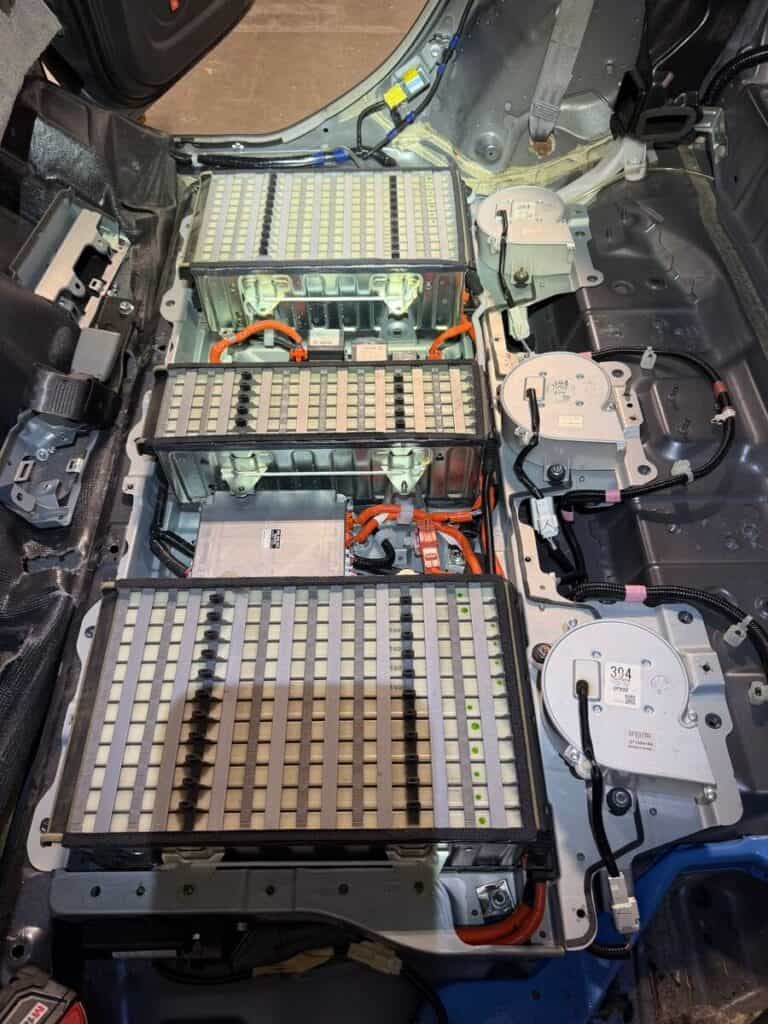
During the physical inspection of the high-voltage battery system, Jeo discovered the airflow vents were clogged with debris. On these Highlander Hybrids, the HV battery sits under the rear seat area and relies on cooling fans to pull cabin air across the battery cells. When the vents get plugged, the battery can overheat — and overheating can trigger the hybrid system to shut down as a protective measure.
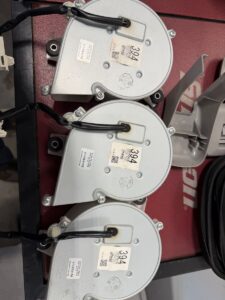
We removed all three high-voltage battery cooling fans, cleaned them out, and cleaned the filter screens. No active fault codes, no communication errors. Everything looked solid.
We advised the customer to keep driving and call us if the warning came back.
Two Months Later — Same Problem
In late February 2026, the customer called back. Same symptom. The car stalled on the highway again.
Here’s the detail that mattered: since the December visit, he’d mostly been doing city driving. This was his first extended highway trip — about 30 miles at around 70 mph. The hybrid system shut down the same way. He was able to restart and finish the trip, but only by keeping it under 60.
That pattern — fine around town, fails under sustained highway load — told us the cooling system was still the right area to investigate, but we’d need to dig deeper than the vents.
What We Found The Second Time
The car came back at 139,615 miles. This time our technician Colt scanned for codes and found one that wasn’t there before: P3105 — Battery Smart Unit Communication Circuit Malfunction, stored in the hybrid control ECU.
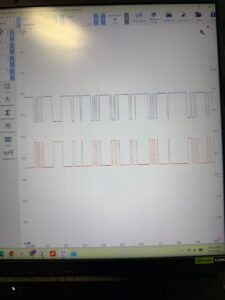
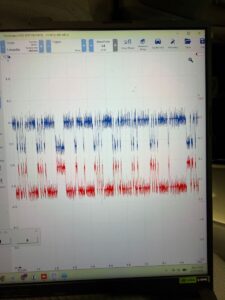
Colt followed Toyota’s published pin point test (PPT) for this code. Using an oscilloscope, he tested the BTH (battery) communication circuits. The initial waveform looked clean — good signal, no obvious problems.
Then he ran the hybrid cooling blower motors on high for 30 seconds and checked again. The waveform went erratic.
That’s the test. Toyota’s PPT specifically states: if the BTH communication waveform becomes erratic after running the cooling fans on high for 30 seconds, replace all three hybrid cooling blower motors.
The Root Cause
The blower motors had developed high internal resistance from wear. When they were running — especially under sustained load like highway driving — that resistance was generating electrical interference on the BTH communication circuit. The hybrid control ECU was losing its ability to communicate with the battery smart unit, which triggered P3105 and shut the hybrid system down as a safety measure.
This is why cleaning the fans and vents didn’t solve it during the first visit. The airflow restriction was real and worth addressing, but the actual failure was electrical — worn motor windings creating noise on a communication bus. You can’t see that with a visual inspection or even a standard code scan. It only shows up under load, with an oscilloscope, following the specific PPT procedure.
The Repair
To access the hybrid battery on a first-generation Highlander Hybrid, you have to remove the second and third row seats. It’s not a quick job.
Colt removed the battery cover, replaced all three cooling blower motors (Toyota part G9230-48010, $126.38 each), and reinstalled everything. After the replacement, he ran the pin point test again. The BTH communication waveform looked significantly better, and the fans sounded noticeably different — smoother, quieter.
No codes present after the repair. The root cause was confirmed: high resistance from worn hybrid cooling fans caused interference on the BTH circuit, leading to P3105.
We also found the 12-volt battery failed our load test during this visit, so we replaced that as well.
Since this was a follow-up to our December work, we waived the diagnostic fee. Total for the second visit: $1,557.76.
What We Learned
When a Highlander Hybrid stalls at highway speed with hybrid system warnings, clogged cooling vents are the obvious first thing to check — and it’s the right first step. But if the problem returns, especially under sustained load, the blower motors themselves may be the issue even if they appear to be spinning normally.
The key diagnostic step is the oscilloscope test under load. A standard scan tool won’t reveal this. The P3105 code points you to the communication circuit, but the PPT procedure — specifically watching the waveform degrade while the fans run — is what identifies worn motors as the cause.
For owners of high-mileage first-generation Highlander Hybrids (2006-2010): if you’re experiencing intermittent hybrid system shutdowns, especially on highway drives, and a shop has already cleaned your battery cooling system without resolving it, ask about the blower motor replacement. The parts aren’t expensive — about $380 for all three — but the labor to access the battery is significant, so it’s worth getting the diagnosis right before pulling seats.
The Timeline
- December 2025: Highway stall, “check hybrid system” warning. No codes found. Cleaned clogged HV battery vents and fans. Cost: $484 for the cleaning.
- February–March 2026: Same symptom on first extended highway trip. P3105 found. Oscilloscope test confirmed worn blower motors causing BTH circuit interference. Replaced all three blower motors. Diagnostic fee waived. Cost: $1,557.76 (including 12v battery replacement).
Colt’s take: “A worn cooling fan shouldn’t affect a communication circuit, making this one intriguing and infuriating at the same time. But in the end, it was the same: I win!”
We’re here when you need us. Whether it’s a mystery stall or just overdue maintenance, come see us. Call us at 415-875-9030 or book online.